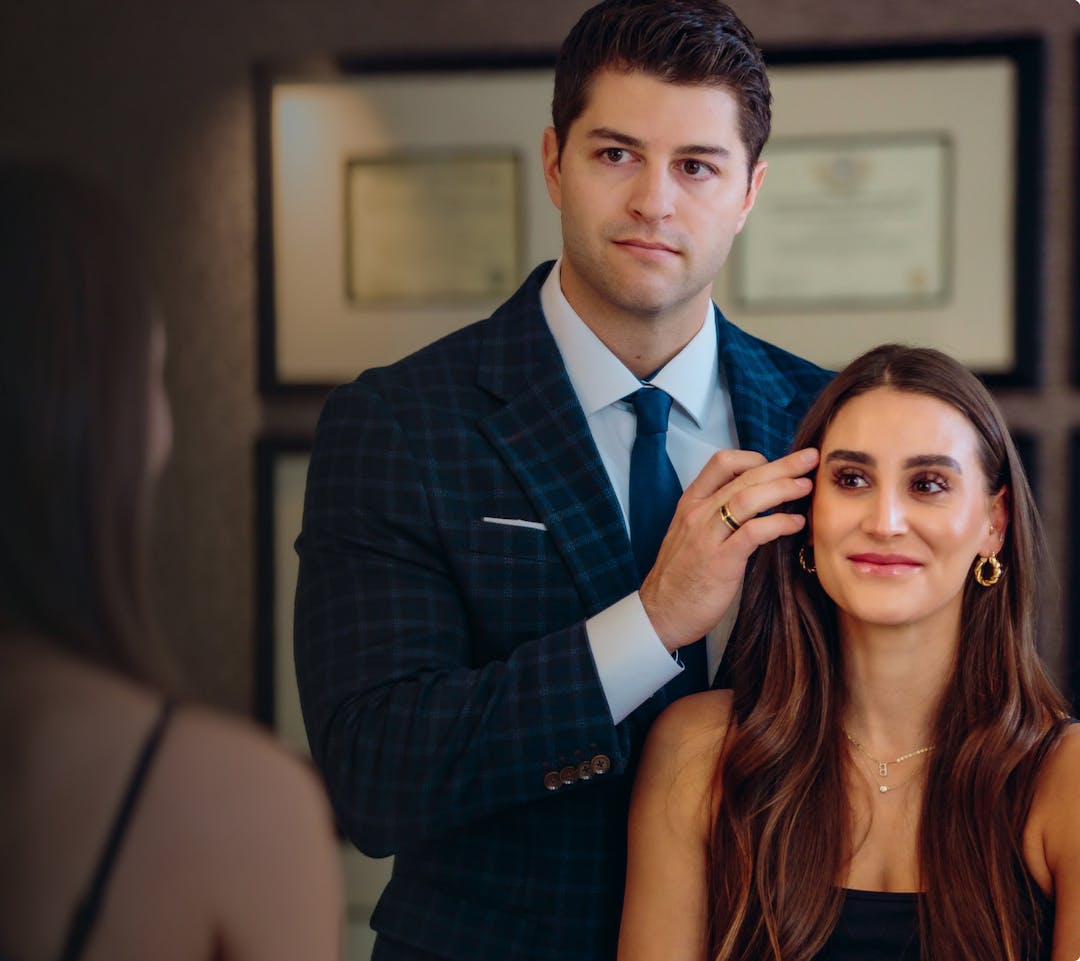
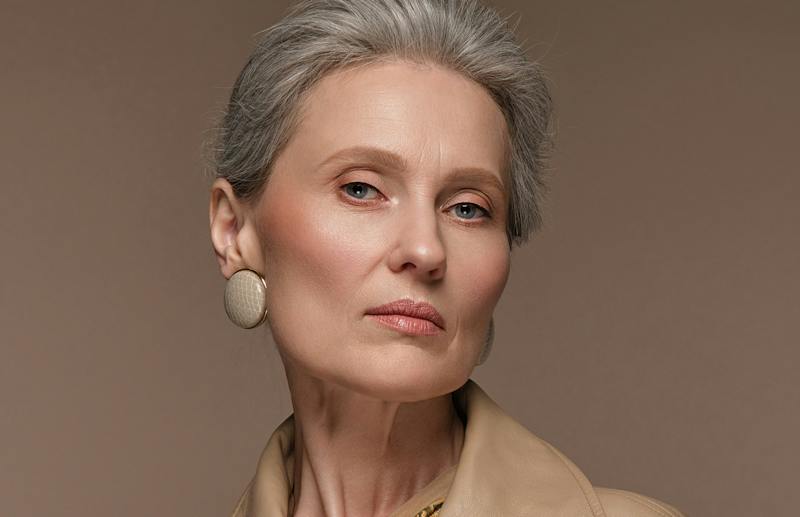
A lower facelift primarily corrects jowls and a softening jawline, while a neck lift targets loose skin, vertical bands, and fullness beneath the chin. Many patients exploring a neck lift or facelift in Scottsdale discover they have concerns in both areas, which is why surgeons often combine the two procedures.
At Caniglia Facial Plastic Surgery, Dr. Ron Caniglia and Dr. Alex Caniglia focus exclusively on the face and neck. Dr. Ron is double board-certified and has spent more than three decades in this specialty. Dr. Alex completed a five-year Otolaryngology residency and a fellowship in facial plastic and reconstructive surgery in Indianapolis. In this blog, they explain how each procedure works, where the two differ, and how to tell which one fits your anatomy.
What Causes Jowls and Neck Laxity?
Jowls and neck laxity develop as the structures that support the lower face and neck change over time. Several factors usually work together:
- Loss of skin elasticity from aging and sun exposure
- Descent of facial fat and soft tissue along the jawline
- Separation of the platysma muscle into visible vertical bands
- Fat that collects beneath the chin
- Genetics and weight changes
Cleveland Clinic lists sun exposure and smoking among the factors that influence how long neck lift results last.
Because these changes occur simultaneously, the jawline and neck rarely age separately. That overlap is why many people describe jowls and a "turkey neck" as one concern, even though they involve different tissue layers.
Which Procedure Fixes Jowls, and Which Fixes "Turkey Neck"?
A lower facelift fixes jowls, and a neck lift fixes "turkey neck." Jowls form as soft tissue along the jawline descends, so repositioning that tissue restores a smoother jaw contour. "Turkey neck" refers to loose skin, platysma bands, and excess fat in the neck, which a neck lift tightens and contours.
The American Society of Plastic Surgeons describes a facelift as surgery that improves visible signs of aging in the face and neck. In practice, the right choice depends on which tissue is driving the change. Dr. Ron and Dr. Alex evaluate the jawline, neck angle, and skin quality together before recommending a plan.
What Does a Lower Facelift Treat?
A lower facelift treats jowls, lower-face laxity, and a blurred jawline. The surgeon repositions the deeper facial tissues and removes excess skin, thereby restoring definition along the jawline.
Specific concerns a lower facelift addresses include:
- Jowls that interrupt the line of the jaw
- Sagging skin and soft tissue in the lower face
- Loss of definition along the jawline
- Descent of tissue toward the chin and lower cheeks
- Excess skin that remains after the deeper tissues are repositioned
ASPS member surgeons describe SMAS-based and deep-plane approaches as options for addressing jowls and lower-face descent. Both Caniglia surgeons perform facelifts and focus on facial anatomy, which allows Dr. Ron and Dr. Alex to tailor the technique to each patient’s degree of aging, so the results look natural rather than pulled.
What Does a Neck Lift Treat?
A neck lift treats loose neck skin, platysma bands, and excess neck fat. Cleveland Clinic explains that a neck lift can eliminate excess fat and sagging skin and tighten the platysma muscle.
Common concerns a neck lift addresses include:
- Loose, sagging skin in the neck
- Vertical platysma bands that become visible with age
- Excess fat in the neck
- Fullness beneath the chin, which the practice may address with neck liposuction
- Loose neck skin that remains after significant weight loss
The durability of muscle repair matters to patients. A 2024 systematic review in Facial Plastic Surgery pooled data from 12 articles covering 2,106 patients and found a platysma band recurrence rate of 1.4 percent. The authors note that more long-term outcome data are still needed.
Neck Lift vs. Lower Facelift: Side-by-Side Comparison
|
Feature |
Lower Facelift |
Neck Lift |
|
Primary concern |
Jowls and jawline definition |
Loose neck skin, bands, and fullness beneath the chin |
|
Tissue addressed |
Skin and deeper support tissue of the lower face |
Skin, platysma muscle, and neck fat |
|
Related technique |
Facial liposuction |
Neck liposuction |
|
Best suited for |
Patients whose main concern is the jawline |
Patients whose main concern is the neck |
|
Often combined with |
Neck lift |
Facelift |
Are There Other Options For Treating Turkey Neck?
Yes. A combined facelift and neck lift is the most complete surgical option when jowls and neck laxity are both present, and non-surgical treatments can complement or delay surgery for milder changes.
The main options include:
- Combined facelift and neck lift: Addresses jowls and neck laxity together for one continuous, balanced contour from cheek to collarbone.
- Facelift alone: Suits patients whose primary concern is the jawline and lower face.
- Neck lift alone: Suits patients whose primary concern is loose neck skin, bands, or fullness beneath the chin.
- Injectables: BOTOX Cosmetic, Dysport, and fillers such as Juvederm, Restylane, and Radiesse can refine early changes.
- MediSpa treatments: Microneedling and chemical peels improve skin texture and tone, and they can serve as maintenance after surgery.
Treating only the lower face can leave the neck looking mismatched, and treating only the neck can leave the jawline soft. ASPS surgeons caution that a smaller "mini" lift is not well suited to patients whose main concern is neck aging or heavy lower-face laxity. Several Caniglia patients describe having a facelift and neck lift together.
Non-surgical treatments can soften early changes, but they do not replace surgery for significant laxity. Cleveland Clinic notes that nonsurgical neck options may require multiple sessions and produce temporary results. Botulinum toxin injections can reduce the appearance of neck bands.
Questions About Neck Lift or Facelift Surgery? Dr. Ron and Dr. Alex Caniglia Are Here to Answer Them All
Choosing between a neck lift and a lower facelift starts with understanding your own anatomy. Dr. Ron Caniglia brings more than 30 years of experience in facial surgery, and Dr. Alex Caniglia brings fellowship training and a modern surgical perspective. Together, they design natural-looking results. To schedule a consultation, call (480) 939-6709.
Disclaimer: This information is provided for educational purposes only and does not replace a consultation with a board-certified facial plastic surgeon. Outcomes, risks, and suitability vary from patient to patient.
Sources
- Cleveland Clinic, Neck Lift (Platysmaplasty)
- American Society of Plastic Surgeons, Facelift Surgery
- American Society of Plastic Surgeons, Your Facelift Recovery Explained From Day 1 to Day 30
- American Society of Plastic Surgeons, Facelift Roulette
- Cambiaso-Daniel et al., Neck Lift to Treat Platysma Bands and Defining Cervical Angle: A Systematic Review and Pooled Analysis, Facial Plastic Surgery, 2024