Deep Plane Facelift Overview

Expertise That Goes Beyond the Surface

Drs. Ronald J. Caniglia, MD, and Alex J. Caniglia, MD, specialize exclusively in facial plastic surgery, and the deep plane facelift is one of their most sought-after procedures. With dual board certifications, fellowship training under world-renowned facial plastic surgeons, and thousands of surgical hours dedicated solely to the face, this father-son team brings the depth of anatomical knowledge and refined technique that deep plane surgery demands. Patients from Scottsdale and around the world trust their precision and artistry for transformative, natural-looking facial rejuvenation.

What Is a Deep Plane Facelift?

Unlike a traditional facelift that primarily tightens the skin, a deep plane facelift works beneath the superficial musculoaponeurotic system (SMAS), the layer of muscle and connective tissue that gives the face its structure. During this procedure, the retaining ligaments that anchor the SMAS to the underlying bone are carefully released, allowing the surgeon to reposition the deeper tissues as a single, cohesive unit.

This approach was first described by Sam Hamra in 1990 and has since been recognized as one of the most advanced techniques in facial rejuvenation. Because the deeper structures are lifted and resuspended rather than simply pulled tight, the deep plane facelift produces results that look natural. 

Benefits of a Deep Plane Facelift

The deep plane technique offers several advantages over traditional facelift methods:

  • Comprehensive midface and lower face rejuvenation: Repositions sagging cheeks, jowls, and nasolabial folds in a single procedure.
  • Natural-looking results: Lifting deeper structures avoids the tight, pulled appearance that can occur with skin-only techniques.
  • Longer-lasting outcomes: Research confirms the deep plane technique produces results that outlast traditional SMAS facelifts, often by several years.
  • Tension-free skin closure: Placing tension on the fascia rather than the skin reduces scarring and promotes smoother healing.
  • Neck improvement: Deep plane dissection allows simultaneous correction of neck laxity, banding, and jowling for a seamless result.
Banner media

Are You a Candidate for a Deep Plane Facelift?

Ideal candidates for a deep plane facelift in Scottsdale typically share several characteristics:

  • Moderate to significant facial sagging: Visible jowling, deepened nasolabial folds, or loss of jawline definition.
  • Midface volume descent: Cheeks that have flattened or dropped, creating a tired or aged appearance.
  • Neck laxity: Loose skin, banding, or excess fullness beneath the chin.
  • Good overall health: Non-smokers in stable health who can undergo surgery under local anesthesia with IV sedation.
  • Realistic expectations: Patients who understand the procedure's capabilities and are seeking natural, rejuvenated results.

During your consultation, Dr. Ron or Dr. Alex Caniglia will evaluate your facial anatomy, discuss your goals, and recommend the approach best suited to your needs.

Office media

Why Choose Caniglia Facial Plastic Surgery?

Dr. Ronald J. Caniglia, MD, has performed deep plane facelifts for over three decades and is nationally recognized for his surgical technique. Physicians from across the country and abroad have visited The Caniglia Center to observe his approach. Dr. Alex J. Caniglia, MD, completed his fellowship under Dr. Stephen W. Perkins and Dr. Mark Hamilton, two of the most respected names in facial plastic surgery, and was named Chief Resident during his otolaryngology residency at the University of Illinois Chicago. Their procedures are performed without drains or intubation in their own AAAHC-accredited surgical facility in Scottsdale, with board-certified anesthesiologists on-site. This combination of specialized expertise, advanced technique, and a private, fully equipped surgical center sets Caniglia Facial Plastic Surgery apart.

What to Expect Before, During, and After Your Deep Plane Facelift

Consultation and Cost

  • Personalized evaluation: Drs. Ron and Alex Caniglia assess your facial structure, skin quality, and areas of concern to create a customized surgical plan.
  • Transparent pricing: Cost varies based on the extent of the procedure and any complementary treatments, such as CO2 laser resurfacing or eyelid surgery. Financing options are available.

Procedure Steps

  • Anesthesia: Local anesthesia with IV sedation administered by a board-certified anesthesiologist.
  • Incisions: Placed discreetly along the hairline and around the ear to minimize visible scarring.
  • Deep plane dissection: The SMAS is entered, and retaining ligaments are released, allowing the deeper tissues to be lifted and repositioned as a single unit.
  • Skin redraping and closure: Skin is gently redraped without tension, and a fibrin sealant (Tisseel) is applied to eliminate the need for surgical drains.
  • Outpatient procedure: Patients return home the same day.

Recovery and Results Timeline

  • Days 1–3: Swelling and bruising peak. Rest at home with your head elevated.
  • Days 7–10: Most sutures are removed. Bruising begins to fade.
  • Weeks 2–3: Many patients feel comfortable returning to work and light social activities.
  • Weeks 4–6: The majority of visible swelling resolves. Facial contours continue to refine.
  • Months 3–6: Final results emerge. Smoother, lifted contours with a natural, refreshed appearance.
Background media

Related Procedures

A deep plane facelift is often combined with complementary procedures for comprehensive facial rejuvenation:

  • Neck Lift: Addresses banding, excess skin, and submental fullness for a defined neck and jawline.
  • Eyelid Surgery (Blepharoplasty): Corrects sagging upper lids or under-eye puffiness for a refreshed, well-rested look.
  • Brow Lift: Lifts a heavy or drooping brow to restore openness to the upper face.
  • CO2 Laser Skin Resurfacing: Smooths fine lines, wrinkles, and uneven texture for improved skin quality.
  • Facial Fat Grafting: Restores lost volume to hollow cheeks, temples, and under-eye areas.
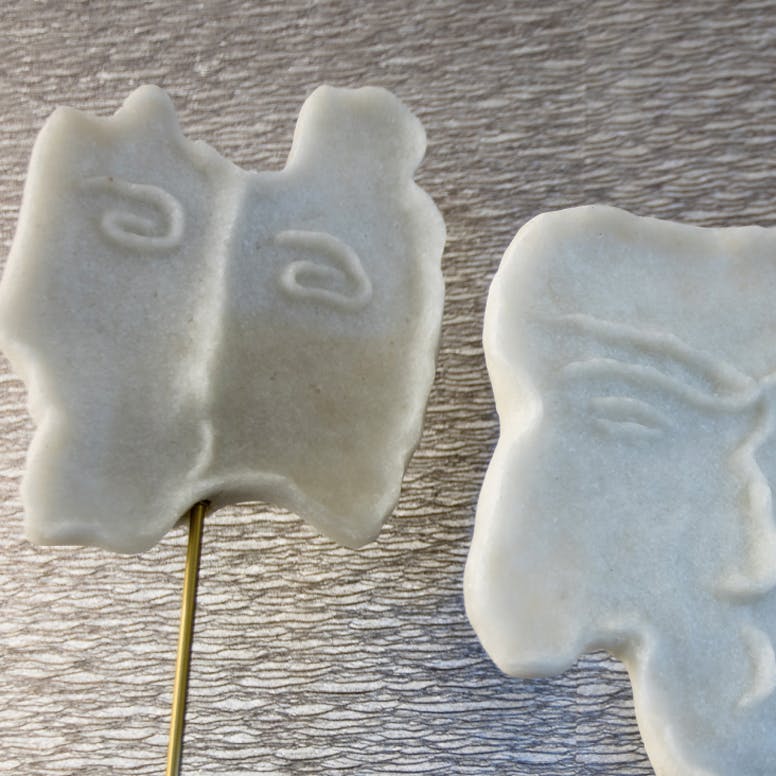
abstract face statues

Schedule Your Deep Plane Facelift Consultation in Scottsdale

The deep plane facelift is the gold standard in facial rejuvenation, and choosing the right surgeon makes all the difference. Dr. Ronald J. Caniglia, MD, and Dr. Alex J. Caniglia, MD, bring unmatched specialization, advanced technique, and a shared commitment to natural-looking results. Contact Caniglia Facial Plastic Surgery today at (480) 939-6709 or request a consultation online to take the first step.

Deep Plane Facelift FAQ

How long do deep plane facelift results typically last?

Will my facelift scars be visible?

How soon after surgery can I resume exercise?

Is a deep plane facelift painful?

Can a deep plane facelift be performed if I've had a previous facelift?

What is the difference between a deep plane facelift and a mini facelift?

At what age should I consider a deep plane facelift?

Do I need to stop taking certain medications before surgery?

How long do deep plane facelift results typically last?

Most patients enjoy their results for 10 to 15 years, significantly longer than traditional SMAS facelift techniques. The aging process continues naturally, but the foundational lift achieved through deep plane repositioning provides lasting structural improvement.

Will my facelift scars be visible?

Incisions are placed along the natural hairline and in the creases around the ear, where they heal discreetly over time. Most patients find their scars are virtually undetectable once fully healed, typically within several months.

How soon after surgery can I resume exercise?

Light walking is encouraged within the first few days to promote circulation and healing. Most patients can return to full exercise and strenuous physical activity after approximately four to six weeks, with clearance from Dr. Caniglia.

Is a deep plane facelift painful?

Most patients report that discomfort is milder than expected and well-managed with prescribed medication during the first few days. By the end of the first week, many patients transition to over-the-counter pain relief as swelling and tightness subside.

Can a deep plane facelift be performed if I've had a previous facelift?

Yes, Drs. Ron and Alex Caniglia regularly perform revision facelifts on patients who have had prior SMAS or deep plane procedures. A thorough evaluation during your consultation will determine the best approach based on your anatomy and previous surgical history.

What is the difference between a deep plane facelift and a mini facelift?

A mini facelift addresses mild jowling and early laxity in the lower face through smaller incisions and a shorter recovery. A deep plane facelift provides far more comprehensive rejuvenation by repositioning the deeper facial structures, making it better suited for moderate to significant aging.

At what age should I consider a deep plane facelift?

There is no single ideal age. Candidacy depends on your anatomy, skin quality, and degree of facial aging rather than a number. Many patients pursue deep plane facelifts in their 50s and 60s, though some seek the procedure earlier or later, depending on their goals.

Do I need to stop taking certain medications before surgery?

Yes, Drs. Ron and Alex Caniglia will provide specific pre-operative instructions, which typically include discontinuing blood-thinning medications and certain supplements that can increase bruising. These guidelines will be reviewed in detail during your consultation.

Contact us media
Contact us media
Contact us media

© Caniglia. All Rights Reserved.

Accessibility: If you are vision-impaired or have some other impairment covered by the Americans with Disabilities Act or a similar law, and you wish to discuss potential accommodations related to using this website, please contact our Accessibility Manager at (480) 939-6709.
Contact Us